Chichen Itza in a Cancun Itinerary: Which Day to Go
Your Cancun trip has one very big day in it: 10 to 14 hours, an early start, and the best ruins day in Mexico at the end of a long drive. Put that day in the wrong place and it eats the trip: the arrival day it collides with, the departure it endangers, the beach days it tires out. Put it in the middle, and everything else relaxes around it. This page gives the placement rule and the reasons, with honest skeletons for 3-day, 5-day and 7-day trips. Where this page recommends, it says so: the placement advice below is advice, labelled as such, built on the settled facts of the day itself.
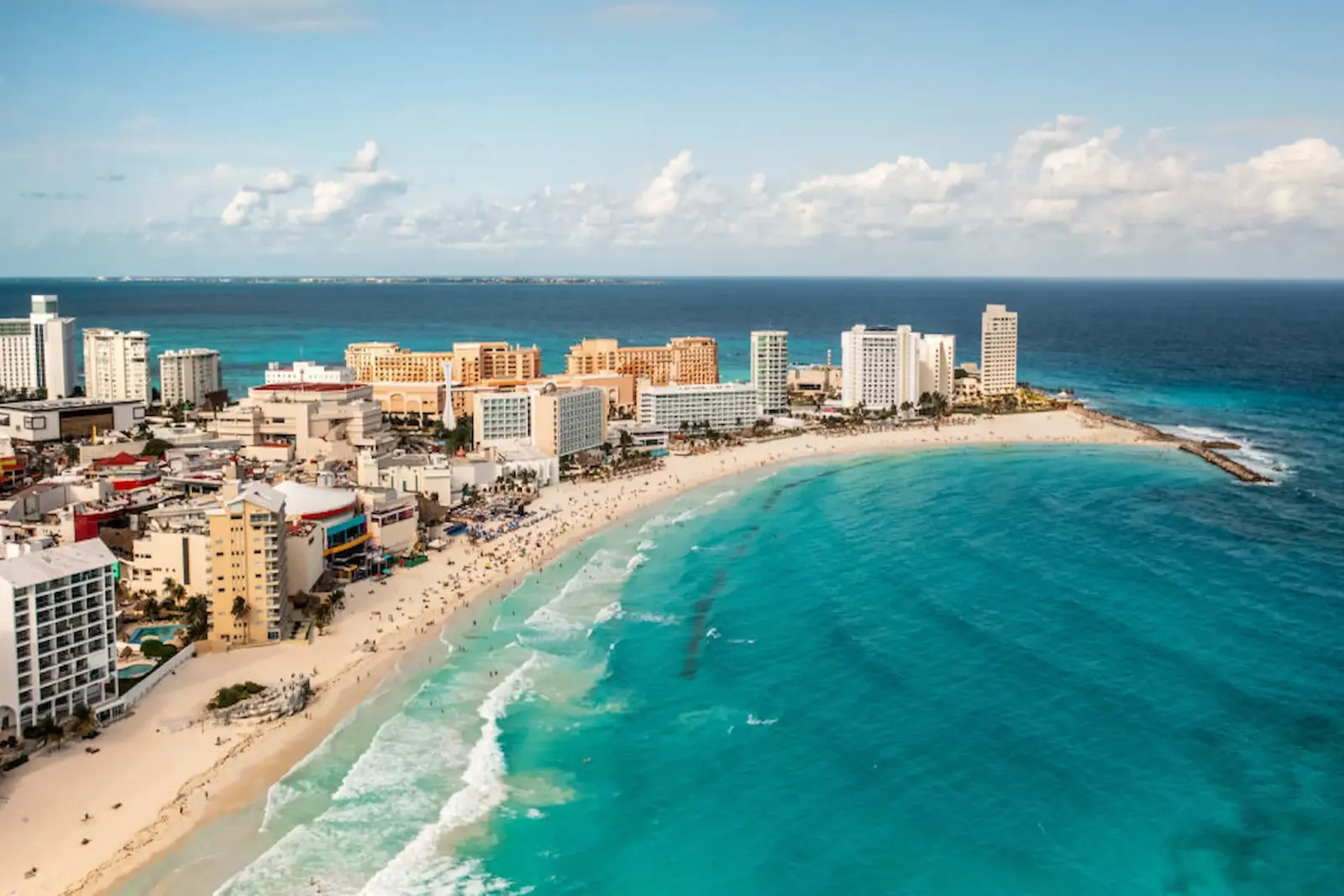
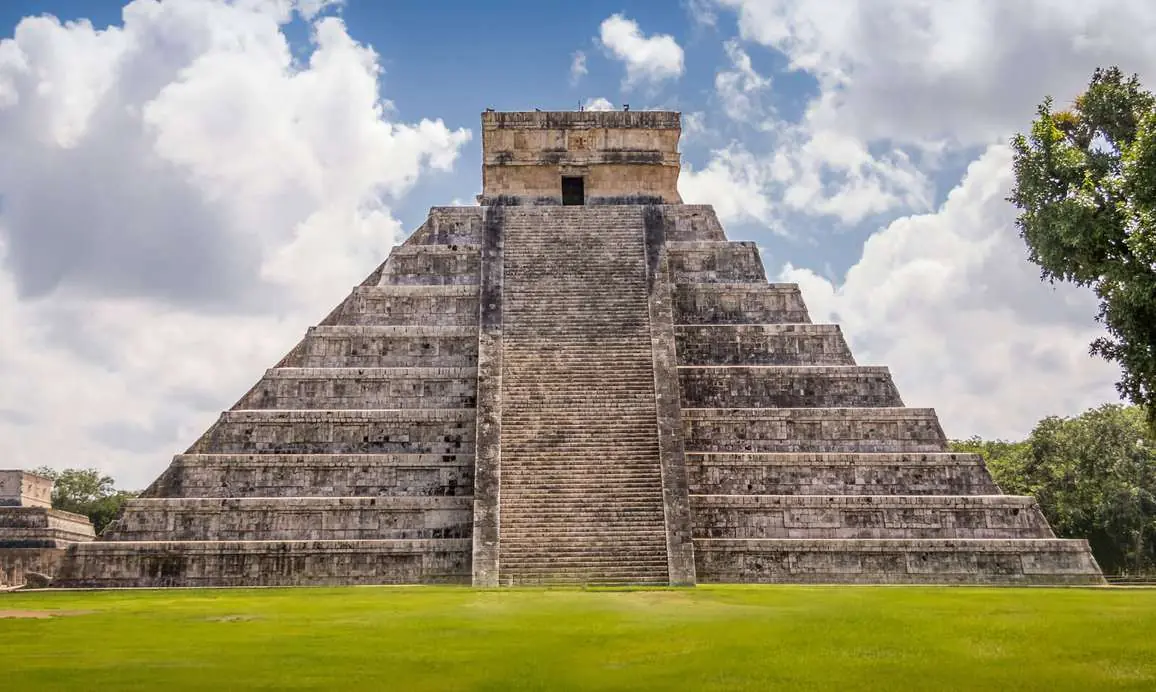
Your pickup time is confirmed on WhatsApp the night before, a traveller landing that evening may miss it. Arrive, settle, sleep first.
Day 3 of five, Day 3 or 4 of seven, Day 2 of three, buffered on both sides, with the trip's rhythm built around it.
A 10–14-hour day ending in the evening does not belong against a flight. Keep the last day light, and keep a light day after Chichen, too.
One disclosure, up front: we are a new operator with a short record. The placement advice on this page stands on the day's settled facts and on reasoning we show in full.
The Short Answer: The Middle Rule
The rule, in one sentence: put the Chichen Itza day in the middle of your trip, never on your arrival day, never on your last day, and keep the day after it light. Each half of the rule has a concrete reason. Not the arrival day, because this tour confirms your exact pickup time on WhatsApp the night before, and a traveller who lands that same evening may miss that confirmation or struggle to act on it. Not the last day, because the day runs 10–14 hours and ends in the evening, and no honest plan leans that against a departure. And a light day after, because an early start and a full day on the road earn a slow morning, not another major excursion at dawn.
Whether Chichen Itza deserves one of your days at all is a different question, the conditional verdict, with the costs priced honestly, is on Is Chichen Itza Worth It? This page assumes the answer came out yes and answers the next question: where the day goes. The skeletons below are day plans, not clock schedules: this tour promises no pickup or return clock time, and none appears anywhere on this page.
The day this plan protects is the Chichen Itza day tour from Cancun, long enough that it deserves a rested traveller either side of it.
What the Big Day Actually Takes
Placement is arithmetic before it is preference, so start with the settled inputs. The Chichen Itza day is 10–14 hours door to door. From Cancun, the drive is about 2.5 hours each way, five hours of road inside the day before the ruins, the swim and the town are counted. Inside those hours sit three stops on the tour route: Chichen Itza itself, the swim at Cenote Ik Kil, and Valladolid, plus an early pickup from your own hotel point, with the exact time confirmed the night before.
Two consequences follow, and the rest of this page is built on them. First, the Chichen day cannot share: a day that long is the whole day, and anything ambitious planned alongside it is planned against reality. Second, the day borrows from its neighbours: the night before has to end early enough for the pickup, and the morning after inherits the tiredness. A day with that footprint belongs where the trip can absorb it: in the middle. How long each part of the day itself deserves is a separate question, answered on How Long Do You Need at Chichen Itza.
Why Not Your Arrival Day
Some planning tools will happily slot Chichen Itza onto Day 1 of a Cancun trip. On this tour, there is a specific, practical reason that placement fails, and it is worth stating exactly, because it is a fact about how the tour works, not a preference. Your exact pickup time is confirmed on WhatsApp the night before the tour. A traveller who lands that same evening, phone in flight mode or on a foreign network, attention on immigration, baggage and check-in, may miss that confirmation, or read it too late to act on it. The tour's model depends on a message received the night before; the arrival evening is the one evening of the trip when that dependency is fragile.
Around that fact sits the advice half, labelled as advice: in our judgement, Day 1 is the wrong day even where the message gets through. Arrival days are unpredictable: flights run late, immigration queues vary, baggage and hotel check-in eat hours that looked free on paper, and they end with travel tiredness that an early pickup the next morning converts directly into a worse ruins day. None of that makes a first-day trip impossible, and this page does not claim it does. It makes it the placement with the most ways to go wrong, chosen for no benefit: the ruins are identical on Day 3.
Our advice: give yourself at least one settled night in your hotel before the Chichen day. You will have received the confirmation with a clear head, slept in the right time zone, and start the big day as a holidaymaker rather than as a passenger.
Why Not Your Last Day
The case against the last day is the same arithmetic, pointed the other way: the Chichen day runs 10–14 hours door to door and ends in the evening, and this tour promises no return clock time: the day ends when the day ends. Measure that against a departure and two cases appear, and they are not equally strong, so this page keeps them proportionate.
Flying the same evening: the strong case
If your flight leaves on the evening of the Chichen day itself, the plan has no slack at all: a 10–14-hour excursion with an unpromised return time, set against a check-in deadline that does not move. Any delay on the road becomes a missed flight. Our advice is unambiguous here: do not do this. Shorter excursions exist that fit a departure day; this is not one of them, and the fact that a half-day trip elsewhere can end a holiday does not transfer to a full day inland.
Flying the next morning: the weaker case
If you fly the morning after, nothing clashes outright: the day ends the evening before your flight. What it costs is margin: packing happens tired or not at all, the last night of the holiday is spent recovering from the longest day of it, and any wish to keep the final evening easy is gone. It can be done, and this page will not tell every traveller to avoid it. Our advice is simply that it is the worse version of a day that sits comfortably in the middle of the same trip.
There is a quieter loss in both cases: the last day of a trip is the one travellers remember disproportionately, and a Chichen day spent watching the clock, or paid for and then worried through, is a poor final memory of either place. Put the big day where nothing is leaning on it.
A 3-Day Trip: Does It Fit at All?
Conditionally, yes, on Day 2 only, and only if Chichen Itza is a top priority. The shape of a 3-day trip leaves exactly one slot where the middle rule can hold: Day 1 is arrival, Day 3 is departure, and Day 2 is the only day that is neither. If Chichen is the reason this short trip exists, that slot works. But the cost must be stated as plainly as the answer, because most short-trip guides omit it: the Chichen day is a third of your entire trip, one of three days, given to a 10–14-hour excursion.
| Day | The plan | Why |
|---|---|---|
| Day 1 | Arrive, check in, beach or pool, early night | The night-before confirmation needs a settled traveller, and so does the early start |
| Day 2 | CHICHEN DAYChichen Itza + Cenote Ik Kil + Valladolid | The only slot that is neither arrival nor departure |
| Day 3 | Slow morning, pack, depart | The light day after the big day doubles as departure day, tight, but workable |
What gets dropped is the other half of the honesty. A 3-day trip with Chichen on Day 2 has no room left for a separate island day, a full park day, a Cozumel trip, or deep beach time: the beach gets the edges of Days 1 and 3, not a day of its own. Traveller reports make the same point from experience: visitors on 3–4-night trips describe the 11-hour excursion day as the one they would place differently. If the beach is the point of your three days, the right call is to skip Chichen this time, the fuller argument is in When to Skip below.
A 5-Day Trip: The Standard Fit
Yes, five days is the standard fit, and our default placement is Day 3. Five days is long enough for the middle rule to work exactly as designed: a buffer day before the big day, so the confirmation lands on a settled traveller; the big day itself; and a protected light day after it, before departure. Nothing is squeezed and nothing leans on anything else.
| Day | The plan | Why |
|---|---|---|
| Day 1 | Arrive and settle in | Travel day: nothing with an early start belongs against it |
| Day 2 | Beach and local exploring | The buffer day: you are rested, oriented, and reachable for the night-before confirmation |
| Day 3 | CHICHEN DAYChichen Itza + Cenote Ik Kil + Valladolid | Dead centre of the trip, buffer on both sides |
| Day 4 | Light and flexible: protect it | The recovery day: slow morning, beach or pool, no second major excursion loaded onto it |
| Day 5 | Depart | A calm last day, with the big day already two days behind you |
The honest fork deserves naming: most existing guides put Chichen Itza on Day 2 of a five-day trip, and that placement is not wrong, Day 2 is a settled day, and it leaves three days of holiday after the excursion. Our Day 3 default differs by one consideration: it leaves a buffer day on both sides of the big day, so a delayed flight or a rough arrival cannot push straight into the tour, and the recovery day still sits before departure rather than becoming it. Either placement respects the middle rule; Day 3 is the version with margin everywhere. The day itself, hour by hour in shape rather than schedule, is laid out in Chichen Itza in One Day.

A 7-Day Trip: The Comfortable Fit
Yes, a week is the comfortable fit: Day 3 or Day 4, with a light day immediately after. With seven days, the placement question stops being a squeeze and becomes a rhythm. Either central slot works; Day 3 keeps more holiday after the big day, Day 4 puts an extra easy day in front of it. What matters more than the choice between them is keeping the pattern: settled days before, the big day, a light day after, and then the rest of the week still open.
| Day | The plan | Why |
|---|---|---|
| Day 1 | Arrive and settle in | Travel day |
| Day 2 | Beach and local exploring | First full holiday day, kept easy |
| Day 3 or 4 | CHICHEN DAYChichen Itza + Cenote Ik Kil + Valladolid | The centre of the week, buffered on both sides |
| Day after | Light day: beach, pool, slow morning | The recovery day, protected as in the 5-day plan |
| Remaining days | Room for an island day, a park day and real beach time | A week fits the big day and the competing days, without stacking heavy days together |
| Last day | Depart | Kept light, as always |
The failure mode of a long trip is different from a short one's: not scarcity, but stacking. A week tempts travellers to line up every major day back to back, ruins, island, park, and arrive home more tired than they left. The Chichen day's light-day-after rule is the guard against it: space the heavy days, and the week stays a holiday. Which month the week falls in changes the day's heat and crowds; that choice belongs to Best Month to Visit Chichen Itza.
What Goes Around It: Heavy Days and Light Days
The placement rule generalises into a rhythm for the whole trip: alternate heavy days and light days, and let Chichen Itza have its own day entirely. A 10–14-hour day cannot be paired with anything ambitious on the same day, that is not caution, it is arithmetic, and it should not be sandwiched directly against another heavy day either side if the trip allows any choice. Light days are not wasted days: the beach, the pool, a wander into town, a long lunch. They are what make the heavy days land as highlights instead of as endurance.
The competing days readers actually weigh against Chichen are the familiar ones: a day trip to Isla Mujeres, a day at one of the X-parks, a Cozumel trip, a catamaran day on the water. Each is a full day of its own kind, and the planning question is sequencing, not choosing between good and bad: on a 5-day trip, one or two of them sit comfortably alongside Chichen if the light days are kept between them; on a 3-day trip, as the skeleton above shows, choosing Chichen usually means one of them is what gets dropped. Order them heavy, light, heavy, and the trip breathes. Staying on the island itself rather than day-tripping to it? See Chichen Itza from Cozumel for how the big day runs from there.
The Night Before the Tour
One honest trade-off, stated plainly: an early pickup follows the tour night. Cancun's nightlife is famous, the big show-nightclub night is a real part of many trips, and a big club night immediately before the Chichen day means starting a 10–14-hour day, with five hours of road in it, short on sleep. Traveller and guide reporting treats the morning excursion after the big night out as one of the most-regretted patterns in Cancun planning, and anyone who has done it understands why by the second hour on the bus.
Two clarifications keep this honest. First, we impose no curfew, and none is implied, your nights are yours, and the only thing being traded is your own sleep against your own day. Second, the fix is placement, not abstinence: put the big night on a different night, after the Chichen day, the light recovery day even forgives a late one. The itinerary works best when the night before the tour is the quiet one: confirmation read, bag by the door, alarm set, sleep.
Weekday or Weekend? The Honest Non-Answer
Every itinerary guide is expected to name a best weekday. The settled data does not support one, and this page will not invent it: no weekday is documented as quieter at Chichen Itza, and no weekend multiplier exists in the record we hold. Anyone who tells you Tuesdays are calm is working from anecdote, not figures.
What is documented are the two patterns that actually govern your visit. The daily pattern: the site opens quiet, the tour-bus wave arrives around 10:00–10:30, and 11 a.m. to 2 p.m. is both the busiest and the hottest stretch, which is why arriving early matters more than any weekday choice. The monthly pattern, from INAH's recorded 2025 figures: July was the busiest month and October the quietest of that year. Neither pattern is controlled by which day of the week you pick. So choose the day that fits your holiday, the middle of it, per the rule, and let the early arrival, not the weekday, be your crowd strategy.
The Movable Day: Weather, Plans and the 48-Hour Window
There is one more piece of placement logic, and it works in your favour: the Chichen day is the movable piece of the trip, because of the booking policy. On this tour, cancellation is free up to 48 hours before the tour, you reserve with a 30% advance, the balance is paid on the day, and if you cancel 48 or more hours ahead, the advance is refunded in full. So the practical sequence is: book the day in its middle-of-trip slot, watch the forecast and your own plans as the trip approaches, and if the day genuinely needs to move or go, decide outside the 48-hour window.
The limits belong in the same breath, because flexibility language is where tour pages most often overpromise. Free cancellation is not a guaranteed rebooking: a replacement date is not guaranteed to be available, moving the day is not the same as cancelling it, and changes inside 48 hours are not free: inside that window the advance is kept. What the policy gives you is a clean, cost-free exit up to two days before, with your eyes open. Planned with that window in mind, the Chichen day is the easiest big day in the itinerary to hold loosely, and the middle slot means a cancellation or a shuffle never touches your arrival or departure days.
Staying in Playa, Tulum or the Riviera Maya?
The middle rule does not change with your base, it is a rule about the shape of a holiday, not about Cancun. From Playa del Carmen, Tulum, the Riviera Maya or Merida, the placement is identical: not the arrival day, the night-before WhatsApp confirmation matters just as much, not the last day, and a light day after. The 3, 5 and 7-day skeletons above transfer as they stand.
What changes is only the drive inside the day. The tour day is 10–14 hours door to door from every base, and nearer bases mean shorter drives in general terms, how much shorter depends on your route and your hotel, and this page prints no fixed saving, no identical pickup time and no guaranteed earlier return for any base. Each base's own page carries its pickup detail: the Riviera Maya page for corridor resorts and the Merida page for the city the ruins sit closest to.
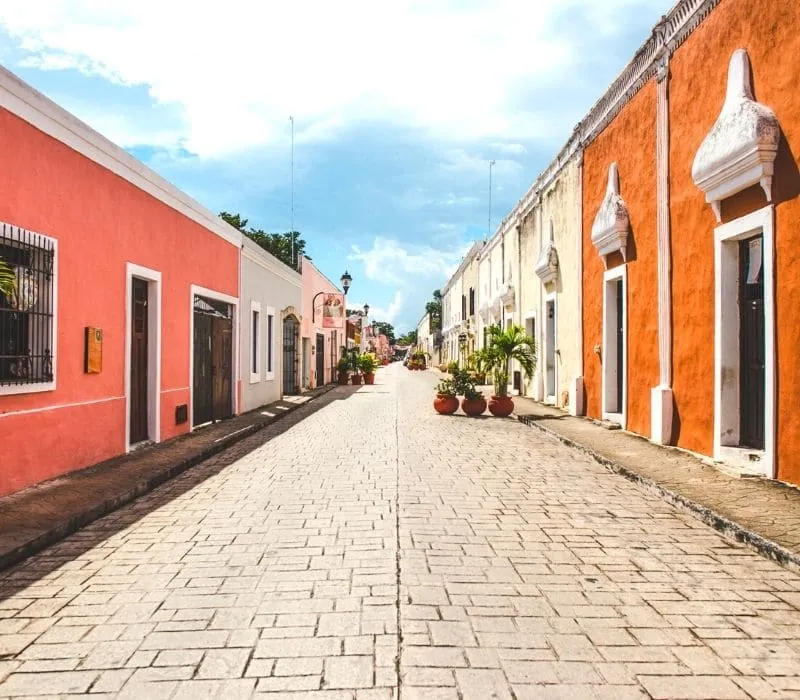
When to Skip Chichen on This Trip
Placement advice has a limit, and it is this: some trips should not contain the day at all. If yours is a beach-first trip, three days, and the sea is the point, squeezing Chichen into Day 2 costs a third of the holiday for a day you will spend mostly on a bus and in the heat, and the honest move is to leave the ruins for a longer trip. The same goes if early starts and long transfers genuinely undo you, or if this visit is one day inside a wider journey with no middle to put anything in. Skipping is not a failed itinerary; it is the itinerary that matches the traveller. The full conditional verdict, who the day rewards, who it punishes, and the cheaper way to do it yourself, is on Is Chichen Itza Worth It?
The Tour: Placed in the Middle, Booked in Minutes
Our shared tour is the day this page has been placing: Chichen Itza in the morning, a swim at Cenote Ik Kil, and time in Valladolid, with hotel pickup from your own point in Cancun, Tulum, Playa del Carmen, the Riviera Maya or Merida, and your exact pickup time confirmed on WhatsApp the night before.
- $130 per adult · $115 per child (child price to age 12). Two adults = $260; two adults and two children = $490.
- The 697 MXN Chichen Itza entrance fee is included in the price.
- 30% advance to reserve: no-shows block seats for ready customers; the balance is paid on the day of the tour.
- Free cancellation up to 48 hours before the tour: cancel 48+ hours ahead and the advance is refunded in full; inside 48 hours the advance is kept. A replacement date is not guaranteed, see the movable-day section above.
- New operator with a short record, stated here as plainly as in the hero.
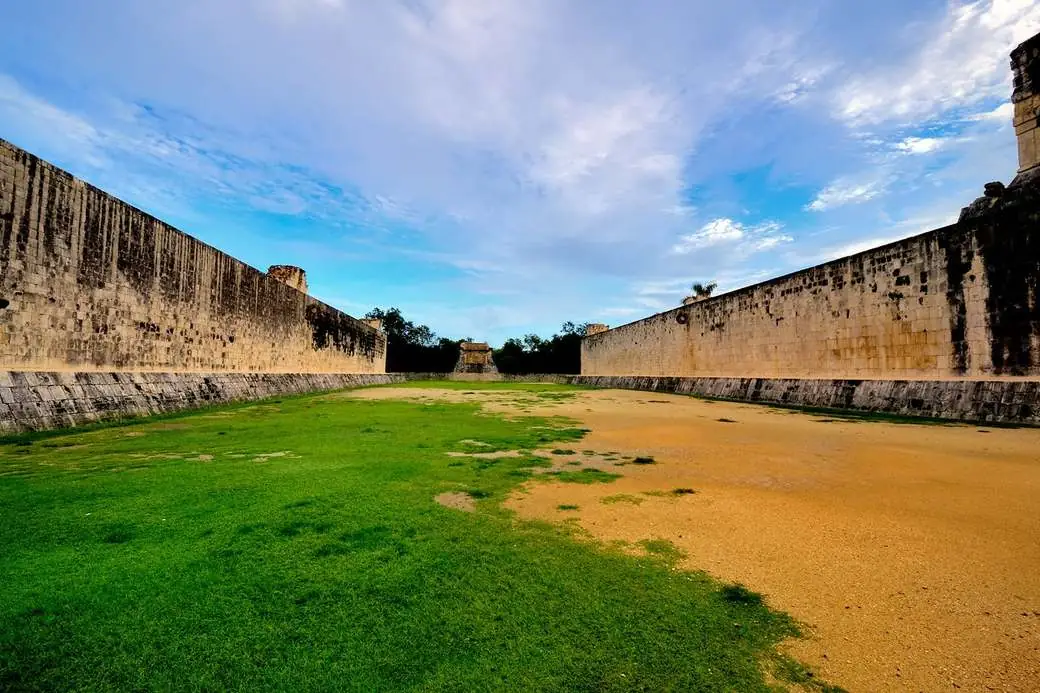
City detail: from Cancun · from Tulum · from Playa del Carmen · from the Riviera Maya · from Merida
Price the day
Shared tour · fee included · 30% reserves your seats
The button composes your message with your party and pickup city. Your pickup time is sent the night before.
Frequently Asked Questions
Check Your Date on WhatsApp
Tell us your date and pickup city. We confirm availability and your exact pickup point on WhatsApp, take the 30% advance to reserve your seats, and send your pickup time the night before. Free cancellation up to 48 hours before the tour.
Planning the rest of the trip around it? Tell us your arrival and departure dates too, we will tell you honestly which day we would place the tour on, including if the answer is that this trip is too short for it.
Booking opens on WhatsApp
Shared Chichen Itza tour: Chichen Itza + Cenote Ik Kil + Valladolid. $130 per adult, $115 per child to age 12, entrance fee included.
Message us on WhatsAppOne tap opens a pre-filled message with your calculator choices. No payment is taken on this page.