Getting In: Entry Through CATVI
Since the site reopened on 1 June 2026, after a closure of about thirteen days, access to the archaeological zone runs exclusively through the CATVI visitor centre, per news reporting from the reopening. That is the settled flow at the depth the sources support: ticketing, security, entry. What the CATVI building contains beyond that, its interior layout, desks and queues, is not described in any source read for this page, so this page does not describe it either.
On this tour, the 697 MXN Chichen Itza entrance fee is already inside your tour price, $130 per adult, $115 per child up to age 12, so there is no second ticket to buy at the gate. The full fee breakdown lives on the Tickets & Fees page; hours and fees are reconciled on the Visitor Guide. This page follows the site's settled hours line: the zone is open 8 AM–5 PM, with last entry at 4 PM.
Bags are checked on entry, and the bag rules are a live conflict across sources, plan as if the strict version applies, and read the Site Rules page before you pack. And keep your booking WhatsApp thread reachable on your phone: it is your line back to your group for the whole visit, starting here.
Inside, the choice is a guide's reading of the buildings or your own; the guided tour page sets out what a guide adds at each stop.
The Layout in One Passage
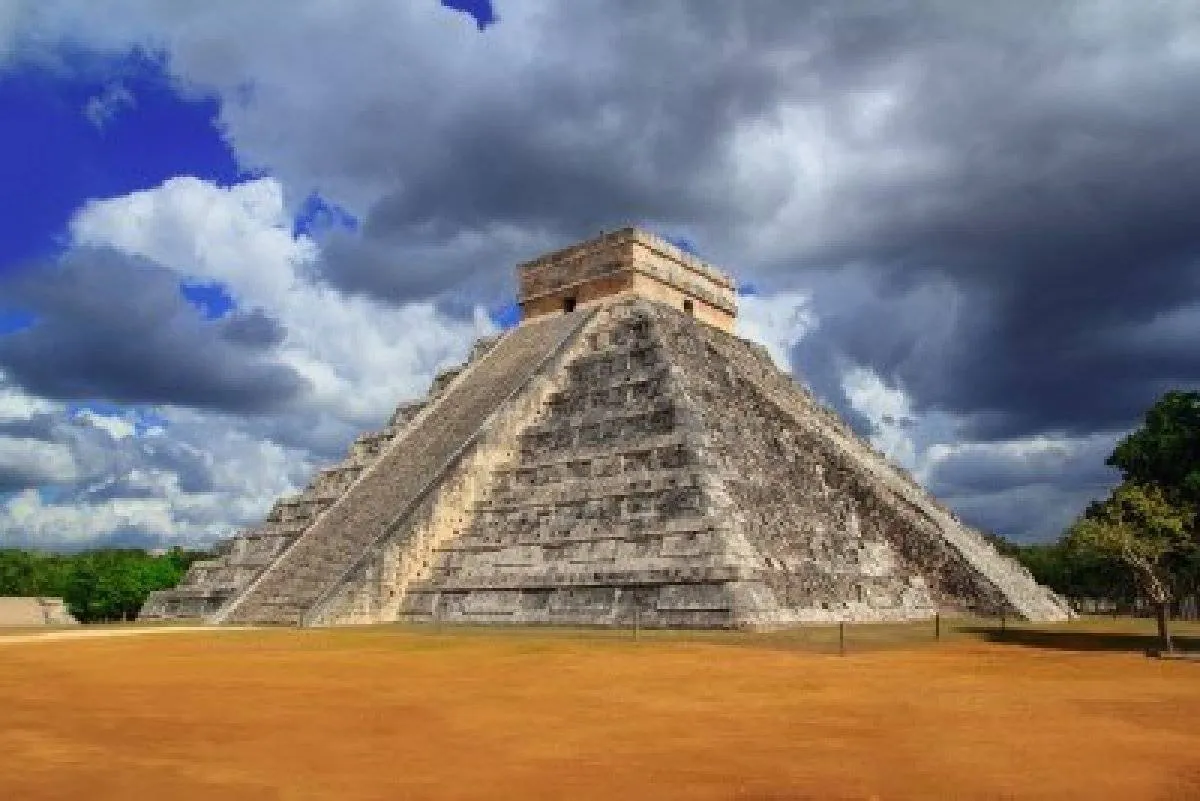
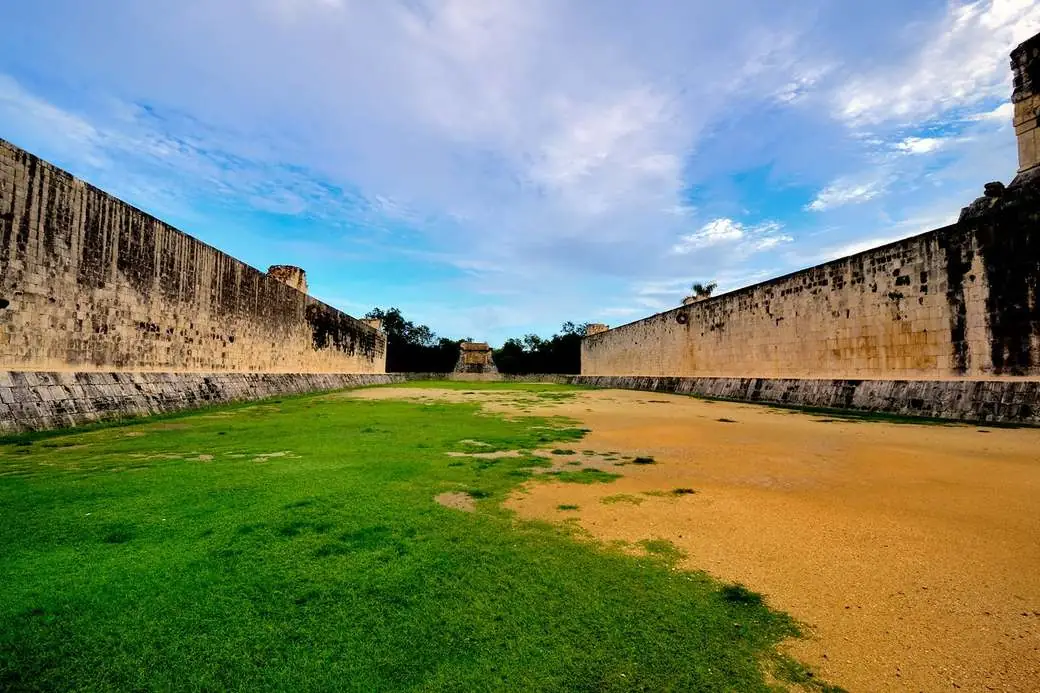
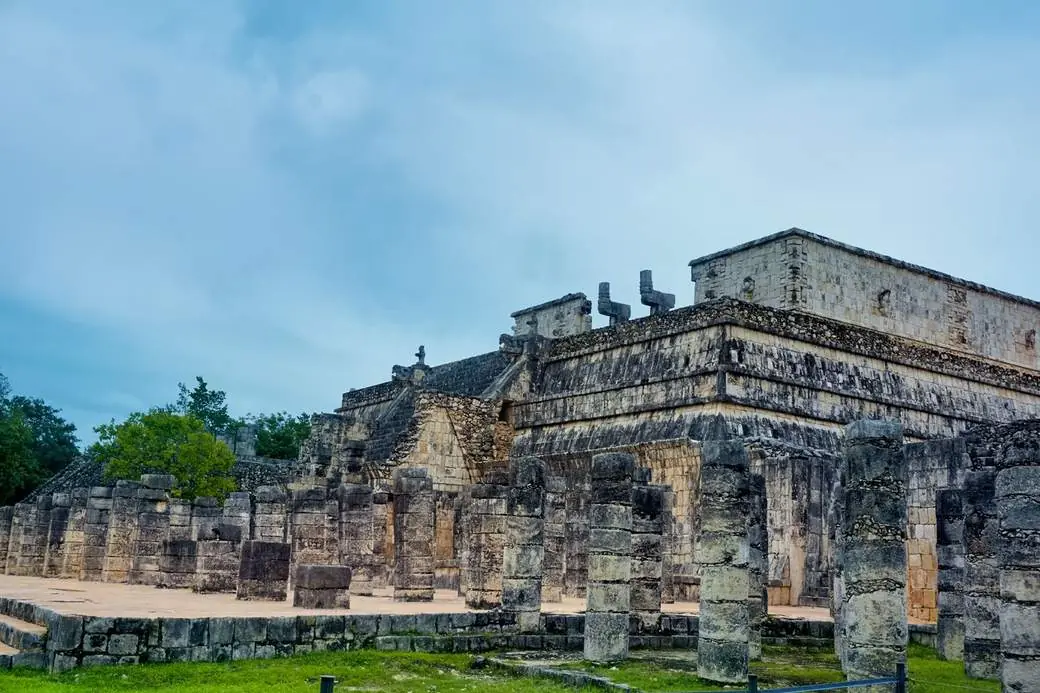
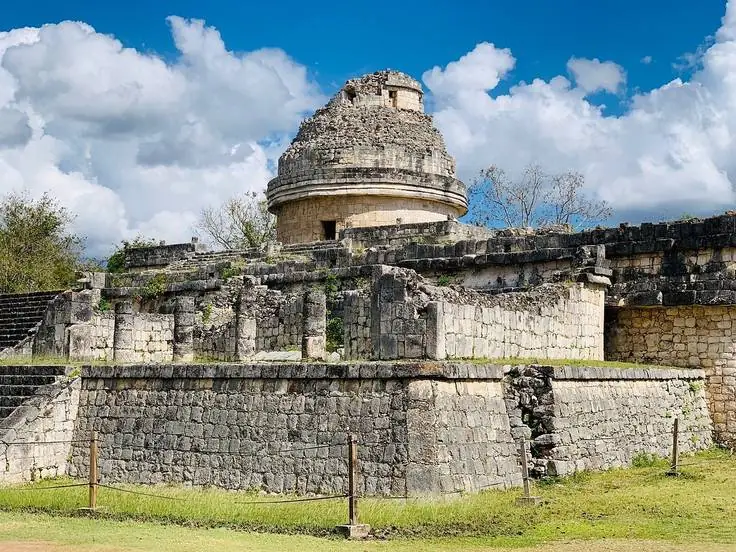
The famous buildings stand together in the north and centre of the zone, around the great plaza: El Castillo, the Great Ball Court, the Temple of the Warriors, and the Tzompantli and Venus platforms. From the plaza, the Sacred Cenote lies about 300 m to the north, reached by its sacbé. The southern group, Las Monjas, El Caracol, El Osario and Casa Colorada, sits apart, in the other direction. And Chichén Viejo is not part of this picture at all: it is a separate, reservation-only sector, covered briefly below so you do not wander off looking for it.
The zone's areas as the sources settle them, not to scale, and deliberately without facility markers: no toilet, water or locker location is settled enough to pin.
A Sensible Way Around
Build your walk on INAH's own long route. INAH's route map gives "Ruta 1: Recorrido largo", the long route, which takes in the southern monuments as well as the plaza group, an approximate duration of 2 hours. That is the spine: plaza group first while the morning is coolest, the Sacred Cenote on its sacbé, and the southern group if your time and energy hold. If your time inside is shorter, the highlights logic is simple, plaza group and the cenote first, the south only if the time is genuinely there; the How Long page works through the budgeting, and the Best Time to Arrive page covers why the ruins belong to the morning.
Two pieces of route craft, offered as advice because they hold on every visit. First: the walk back takes as long as the walk out, set a turn-back point before you reach it, not after. Second: use the entrance facilities before you start the loop, for the reason the next section explains.
Toilets, Lockers and the Facilities That Exist
INAH lists the zone's services, and toilets are among them, they exist, and the Gran Museo lists toilets among its services too. What no honest page can give you is a map of them, because the sources flatly disagree about where they are.
The disagreement, printed plainly: some sources say the toilets are at the entrance and visitor centre only, with none inside the site itself. Others report facilities inside the zone, including near El Castillo and in the south. Both versions circulate from plausible sources, and nothing read for this page settles between them, so this page pins nothing.
The advice that works under every version: use the entrance facilities before you start the loop. If you find more inside, that is a bonus; if you do not, you are covered.
The same existence-only grading applies to the rest of INAH's list: lockers, a cloakroom, an information module, a shop, guided tours and accessibility are all listed as services of the zone. Listed means they exist, it does not settle where they are or how they are run, and this page does not guess. Accessibility in depth, including what INAH's listing does and does not specify, is covered on the Accessibility page.
Water, Shade and Heat on the Ground
Start with the rule everything else hangs on: the water you carry in is the water you can count on. INAH publishes "no entry with food" and is silent on water, no source read for this page bars carrying water in, and this site's packing advice stands: bring it with you, filled before you arrive. The What to Bring page and the Night-Before Checklist cover the packing side.
Buying water inside rests on dated traveller reporting only: a 2013 forum answer described water on sale at the visitor centre and at gift shops inside the zone, one of them at the Sacred Cenote. That is reporting from over a decade ago, treat anything on sale today as a bonus, never as the plan, and note that no prices are published here because none are current.
Shade is the other scarcity. Inside the zone, shade is scarce and the tree groves are few and far between, per traveller reporting, and no named shaded bench or shelter is guaranteed anywhere. So rest where the trees are when you reach them, rather than planning to rest at a particular monument. If the heat gets to you, dizzy, nauseous, stopped sweating, stop, get into shade, drink water and tell site staff what is happening; the fuller version is in If Something Goes Wrong Inside, below.
Vendors Inside the Zone
The artisan rows inside the zone are part of the site experience, rows of stalls selling carvings, textiles and souvenirs along the paths. Per traveller reporting, prices are negotiable, and payment is a cash matter: if you think you might buy, the pesos need to already be on you. The Cash on the Day page works out how much cash the day actually calls for.
The Museum Question: The Gran Museo
The Gran Museo Chichen Itza is the site's museum, and whether it costs extra is a question the sources answer two ways at once, both of them from INAH itself.
Both lines, as INAH's own museum listing gives them: the listing states the museum's hours as 08:00–17:00 with last admission at 16:00, and among its services it lists a snack bar and toilets. On the fee, the same listing does two things: it lists a fee of $105, and it states that admission is "Included in the cost of admission to the Archaeological Zone." A 2024 report, separately, put a separate museum fee of $160.
Those cannot all be one simple answer, so this page does not flatten them into one. If the museum matters to you, settle it at the museum on the day.
One boundary for tour guests: this tour does not promise museum time. How long the group has on site, and how it is divided, is the operator's to confirm, if museum time matters to your day, ask on WhatsApp before you book, in the thread described on the After You Message Us page.
How these inside hours fit a whole trip day is planned in the one-day Chichen Itza itinerary.
Chichén Viejo: Not Part of the Normal Visit
Chichén Viejo is a separate sector of the site, not a corner of the normal visit: entry is by reservation, made at the ticket office, and even its open days conflict across sources, reported as Friday–Saturday in some, Friday–Sunday in others. It is never part of the normal visit and never part of this tour. If you hear other visitors mention it, that is the whole explanation, there is no path inside the zone you are missing, and no part of your day depends on it.
Keeping Your Group Together
Here is the page's most important passage, and it is advice, not procedure, because this tour publishes no internal route, no regroup point and no lost-person procedure. Nothing is invented here to fill that gap. Instead, the page teaches the agreement that works with any group, on any tour, including this one.
Before anyone separates, agree one landmark and say it out loud: "If we get separated, we meet at ______, and we wait there."
The El Castillo plaza is the natural choice, it is the centre of the zone, visible and unmissable, and everyone passes it. Agree it at the start of the visit, while you are still together, not in the moment someone is already missing. The agreement is also the fallback when a phone dies: no signal, no battery and no thread are needed to walk to a landmark you already named.
Two habits make the agreement rarely needed: keep the group's pace honest, the person at the back sets it, and do a quick headcount at each stop before moving on. Neither needs an app, a flag or a whistle.
If Something Goes Wrong Inside
Four situations, in the order people actually meet them. All of this is advice, general, and true for any visitor, because, as the section above states plainly, this tour publishes no lost-person procedure of its own.
Separated from the group
Message the WhatsApp thread you booked through, then go to the landmark you agreed before separating, and wait there. Do not leave the zone looking for the bus: the bus is not findable on foot, the group is looking for you inside, and the agreed landmark is the one place both sides can count on.
A lost child
Go to site staff, INAH personnel, first, and tell them immediately. That is general advice, stated as advice: no announcement system or reunion procedure is published for the zone, and none is claimed here. Staff on the ground are the fastest real help there is.
Feeling unwell in the heat
Stop where you are, get into shade, drink water, and tell site staff what is happening. Do not push on to the next monument hoping it passes, shade is scarce and the next tree grove may not be close. No medical post location is published on this page, because no source read settles one.
Phone dead
This is exactly what the agreed landmark is for. Walk to it and wait, the agreement was made before anyone separated precisely so that it works with no battery, no signal and no thread. The Night-Before Checklist covers the charging and preparation side the night before.
This page owns losing people; lost something? the other half of this guide owns losing things, the thread first, then the site’s channels.
Getting Out
Leaving runs back through the same CATVI flow you entered by, follow the signage out. The discipline that matters is the group's own: be at your agreed point at your agreed time, the same landmark agreement that covered you inside. If you are the one who ends up waiting or missing at the vehicle end of the day, the What If You Miss Your Pickup page covers that side of it.
And one honest line to end on: what happens after the ruins, the swim, the town stop, the drive back, is the tour's plan as confirmed in your WhatsApp thread. This page deliberately never sequences the tour's stops, because that order is the operator's to confirm, not this page's to invent.
The Tour
This page is written for visitors arriving on the shared Chichen Itza tour sold on this site: Chichen Itza, a swim at Cenote Ik Kil and a stop in Valladolid, in a full day of 10–14 hours with hotel pickup from your own point in Cancun, Tulum, Playa del Carmen, the Riviera Maya or Merida, your exact pickup time confirmed on WhatsApp the evening before. The price is $130 per adult and $115 per child up to age 12, with the 697 MXN entrance fee included; you reserve with a 30% advance, the balance is paid on the day of the tour, and cancellation is free up to 48 hours before. It is a new operation with a short record, stated plainly, as everywhere on this site.
Price your party here, then check your date. City pages: Cancun · Tulum · Playa del Carmen · Riviera Maya · Merida.
The 697 MXN Chichen Itza entrance fee is included in these prices, nothing more to pay at the gate. Free cancellation up to 48 hours before the tour.